Stopping a Payday-Lender Debit Does Not Erase the Debt

When a payday lender is scheduled to pull money from an account that cannot cover rent or food, stopping the debit can feel like stopping the loan. Legally and practically, those are different actions.
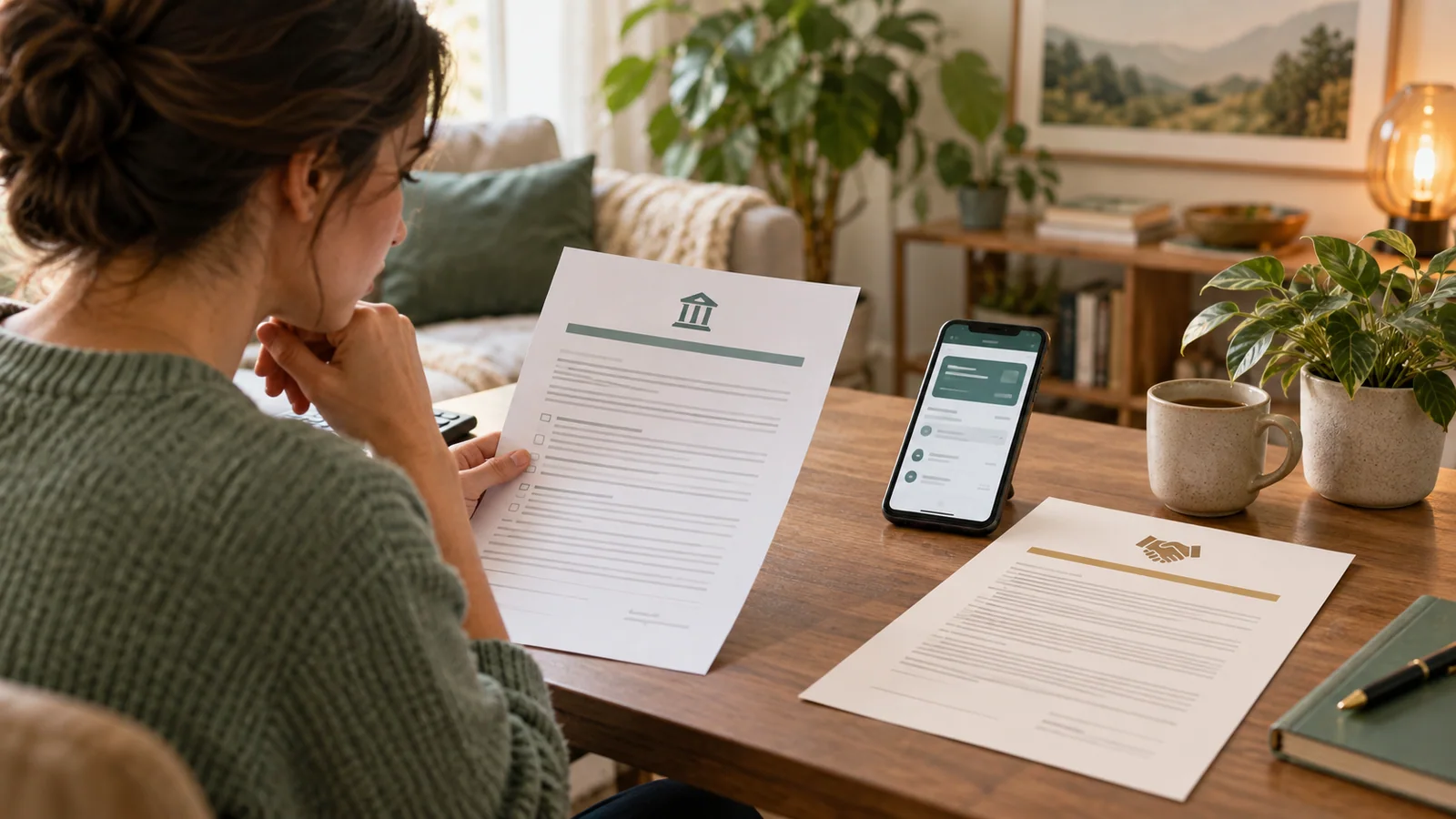
An ACH authorization controls how money is collected. The loan agreement controls what is owed.
Separate the two tracks
Track one is payment access: whether the lender may initiate an electronic debit and what procedures apply to revoking authorization or issuing a stop-payment order.
Track two is the debt: principal, lawful fees, due dates, disputes, repayment options, and collection. Changing track one does not automatically resolve track two.
The CFPB’s payday-loan resources specifically separate problems involving repayment from instructions about stopping automatic electronic payments.
Do not rely on a phone call alone
If you revoke authorization or dispute a debit, follow the current written procedures of both the lender and your bank or credit union. Keep copies, confirmation numbers, dates, and names. Ask what fees the financial institution may charge for a stop-payment request and how long it lasts.
Continue monitoring the account. A rejected debit can trigger insufficient-funds or returned-payment fees depending on the account and contract.
Deal with the balance at the same time
Request a written payoff figure and transaction history. Ask about an extended repayment plan or other arrangement. If the amount is disputed, identify the exact charge and why. If a collector contacts you, verify identity and preserve the notice.
Do not give new banking credentials to an unverified caller promising to “fix” the loan. Do not pay by gift card or cryptocurrency because of an arrest threat.
When timing is urgent
Bank processing cutoffs matter. A request made after a debit is already pending may not work as expected. Contact the institution promptly through its official number and ask what is possible for that transaction state.
This is also why waiting until the night before the due date is risky. A dated cash-flow check should reveal the conflict earlier.
Sources and limits
Payment and collection rules vary by jurisdiction, contract, and account. Obtain local legal help for threatened litigation, unauthorized debits, or disputed balances. This article is education, not legal advice.
Key takeaway
Stopping electronic access may protect cash temporarily. It does not automatically cancel what is owed. Handle the debit authorization and the underlying debt as two coordinated tasks.
ACH authorizationpayday loanelectronic paymentconsumer rights